☭ ART GALLERY ☭
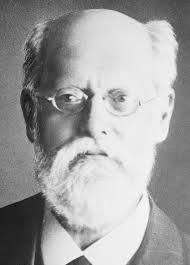
For the moment we must deal with the main point, namely, with Kautsky’s great discovery of the “fundamental contrast” between “democratic and dictatorial methods”. That is the crux of the matter; that is the essence of Kautsky’s pamphlet. And that is such an awful theoretical muddle, such a complete renunciation of Marxism, that Kautsky, it must be confessed, has far excelled Bernstein. The question of the dictatorship of the proletariat is a question of the relation of the proletarian state to the bourgeois state, of proletarian democracy to bourgeois democracy. One would think that this is as plain as a pikestaff. But Kautsky, like a schoolmaster who has become as dry as dust from quoting the same old textbooks on history, persistently turns his back on the twentieth century and his face to the eighteenth century, and for the hundredth time, in a number of paragraphs, in an incredibly tedious fashion chews the old cud over the relation of bourgeois democracy to absolutism and medievalism! It sounds just like he were chewing rags in his sleep! But this means he utterly fails to understand what is what! One cannot help smiling at Kautsky’s effort to make it appear that there are people who preach “contempt for democracy” (p. 11) and so forth. That is the sort of twaddle Kautsky uses to befog and confuse the issue, for he talks like the liberals, speaking of democracy in general, and not of bourgeois democracy; he even avoids using this precise, class term, and, instead, tries to speak about “presocialist” democracy. This windbag devotes almost one-third of his pamphlet, twenty pages out of sixty-three, to this twaddle, which is so agreeable to the bourgeoisie, for it is tantamount to embellishing bourgeois democracy, and obscures the question of the proletarian revolution. But, after all, the title of Kautsky’s pamphlet is The Dictatorship of the Proletariat. Everybody knows that this is the very essence of Marx’s doctrine; and after a lot of irrelevant twaddle Kautsky was obliged to quote Marx’s words on the dictatorship of the proletariat. But the way in which he the “Marxist” did it was simply farcical! Listen to this: “This view” (which Kautsky dubs “contempt for democracy”) “rests upon a single word of Karl Marx’s”. This is what Kautsky literally says on page 20. And on page 60 the same thing is repeated even in the form that they (the Bolsheviks) “opportunely recalled the little word” (that is literally what he says—des Wörtchens!!) “about the dictatorship of the proletariat which Marx once used in 1875 in a letter”.
The Backyard
|

Kautsky
|
the Permanent Discussion
|

the conference
|
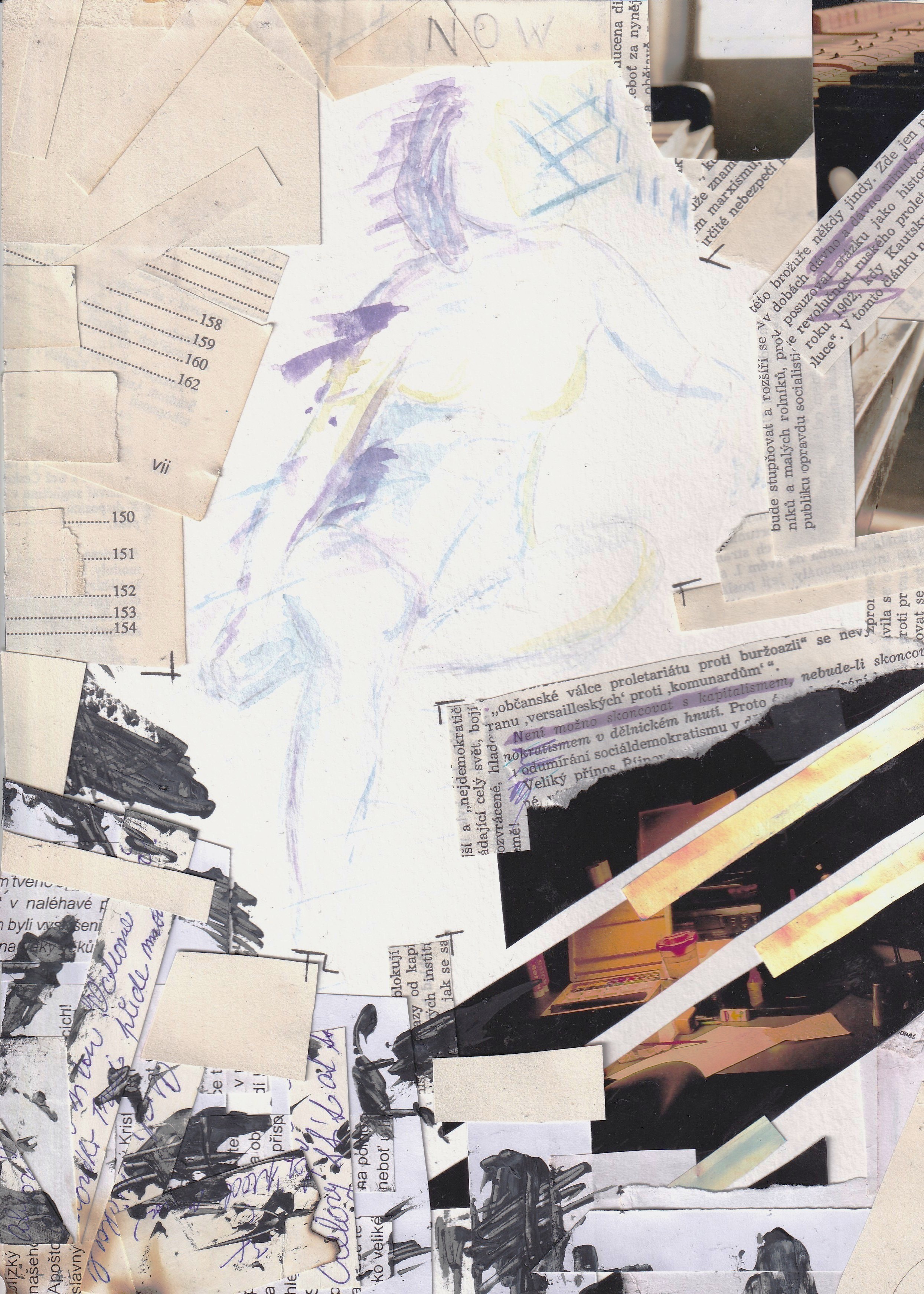
now
|
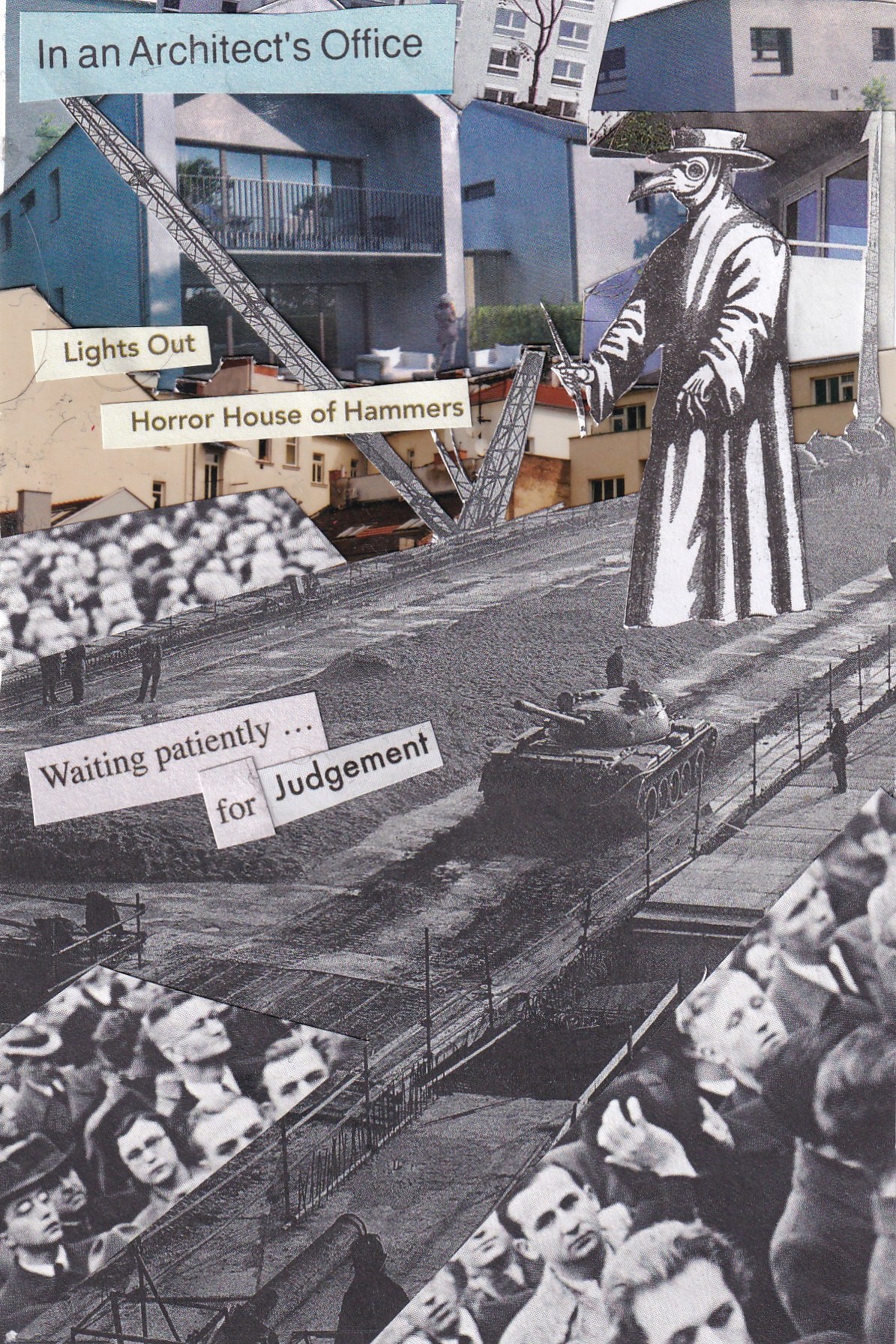
In an Architects Office
|
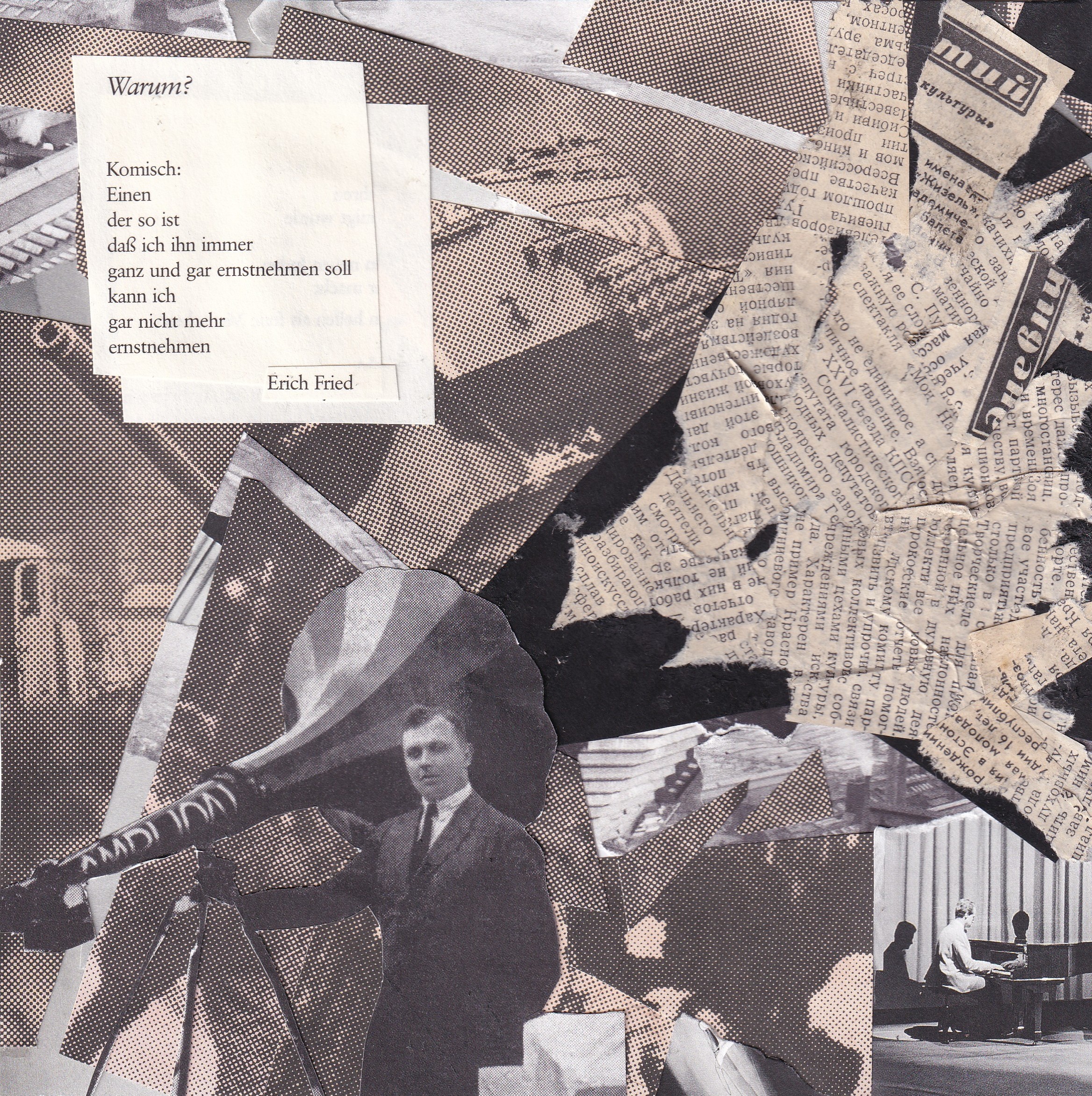
Warum
|
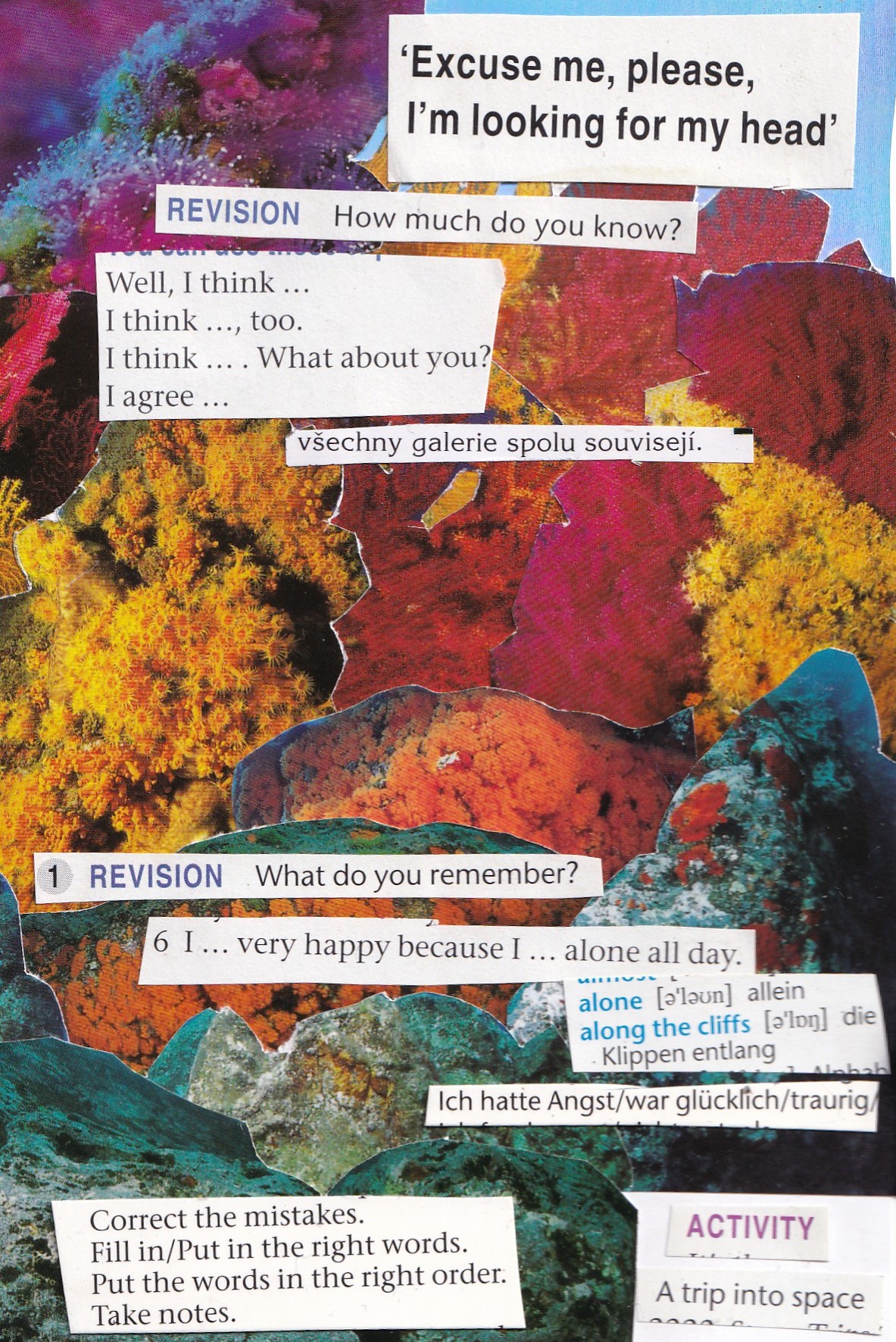
View From a Hill
|

Význam
|
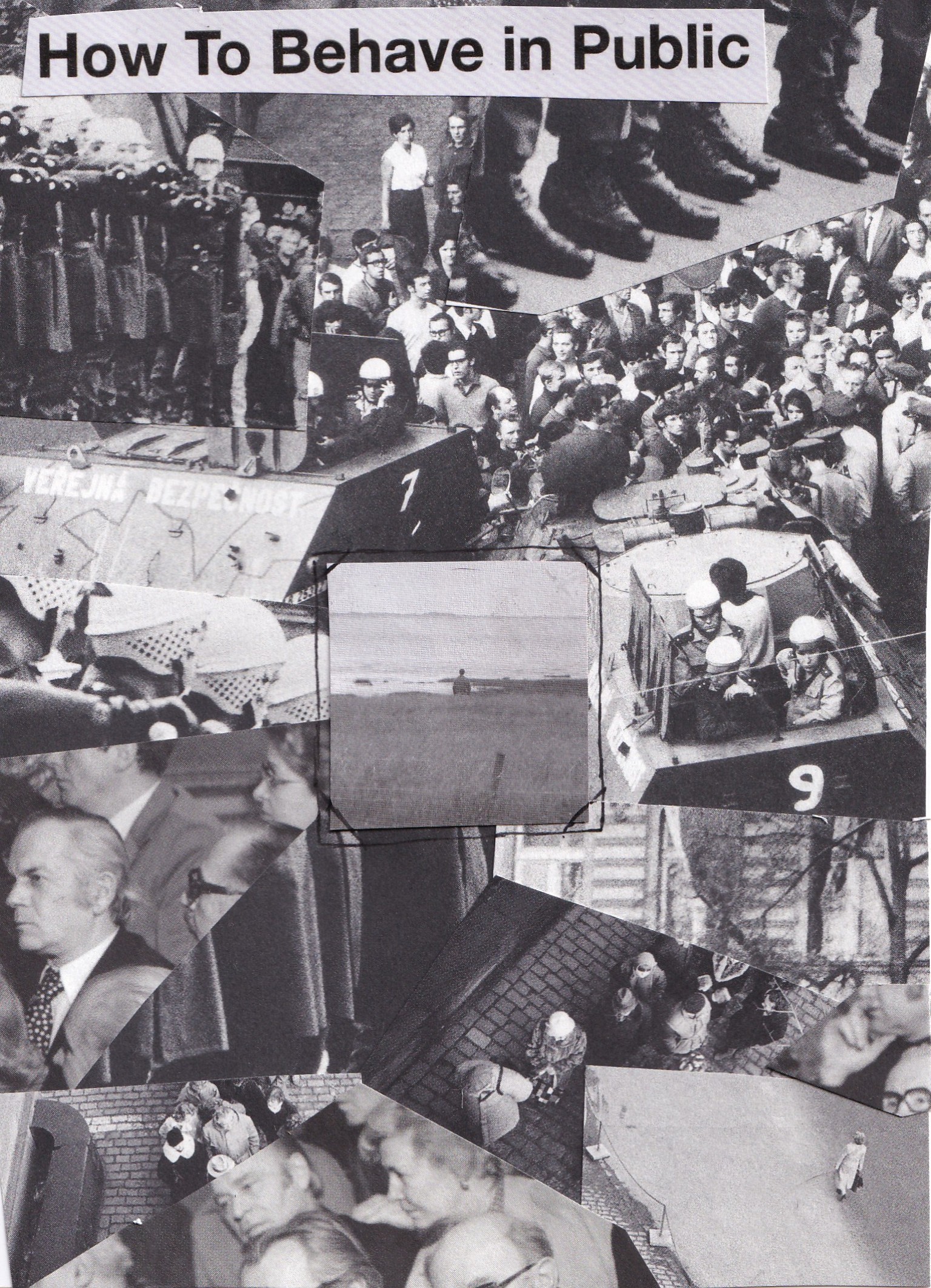
How to Behave In Public
|